
Being the only woman in the room means you notice who speaks up, who gets heard and, perhaps most importantly, who you can imagine yourself becoming.
For three senior women at Euphoria Telecom, those experiences have shaped how they support other women in their careers.
This Women’s Month, Leonie Stanley, Operations Director; Reshma Lutchman, Head of Sales; and Lauren Pybus, National Marketing Manager, share their views on sponsorship.
They believe the best way to make the path easier is to leave something behind for others to follow — keeping a ladder in place, if you will.
“Sponsorship is about actively creating opportunities for other women, advocating for them and helping them move forward. It goes beyond offering advice. It means using your own experience, influence and position to open doors for someone else,” Stanley says.

Operations Director, Euphoria Telecom
Making room for more women
“I’ve been the only woman in the room, and I know what that does to you. You start guarding the seat, instead of widening the table,” Stanley continues. To break that mindset, she is what she calls “unglamorously specific” about creating opportunities for other women. In hiring and promotion conversations, she puts forward a specific person and explains why.
“A name, a role and a reason is much harder to argue with,” she says. “The more women I help bring into the room, the less my own position feels like the exception. That’s a much better place to stand.”
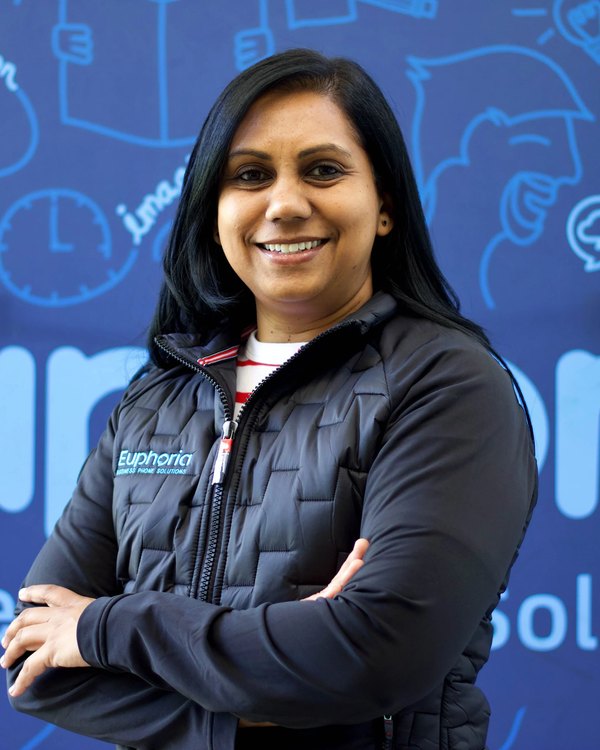
Head of Sales, Euphoria Telecom
Lutchman’s starting point is that leadership is not a finite resource.
“Titles might be limited, but opportunities to influence, mentor and create space for others are endless,” says Lutchman. She shares what she has learned, brings people into strategic discussions and gives them opportunities before they feel completely ready.
“Growth doesn’t happen by protecting knowledge; it happens by passing it on,” she notes.
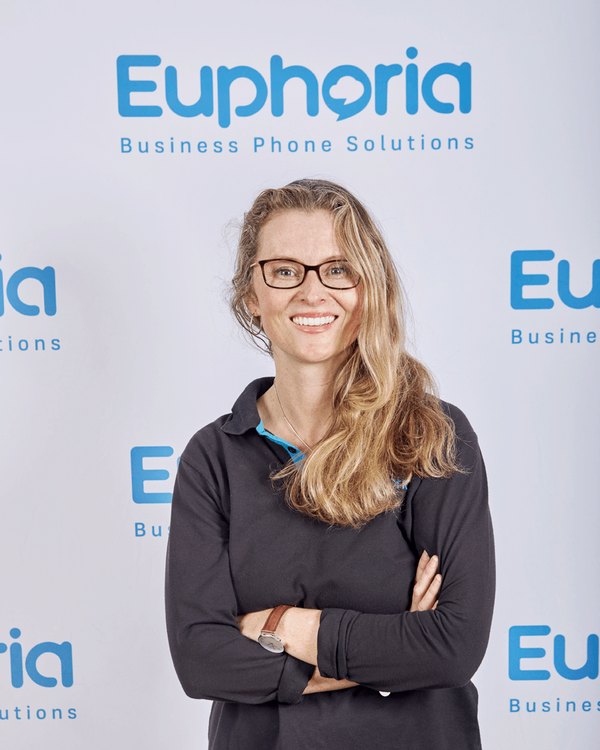
National Marketing Manager, Euphoria Telecom
For Pybus, it is about mutual respect and what she calls “structured empathy”. She combines an open door with an expectation that her team members take ownership of their own growth and come to her with solutions, not just problems. She offers guidance when needed, but gives people the space to challenge themselves and find their own way forward.
What they wish they’d known
Stanley spent an early stretch of her career “preparing endlessly for meetings where the decision had already been taken somewhere else”. She thought she was being outperformed, only to realise she was outside the actual conversation.
“Nobody mentioned it, because to them it was obvious,” she says.
She now makes the unspoken parts of navigating a workplace explicit. This means sharing where decisions are really made, how to get into the conversation and who you need to know.
“I no longer make people earn the map. Working it out alone took me years, and I’m not convinced it taught me anything I couldn’t have been told,” she says.
Lutchman remembers feeling she had to prove herself repeatedly before being given bigger opportunities, and thought she needed to have every answer before speaking up or putting herself forward.
“Looking back, I realise that confidence often comes after the opportunity, not before it.”
Today, she encourages her team to be confident, ask questions, challenge ideas, make mistakes, and learn without fear of being judged.
Pybus experienced moments in her career where she felt alone. Today, she takes an open approach with her team.
“I am never dismissive of their ideas, even if I don’t like them. I will always engage with their perspectives,” she says.
Her focus is on helping the whole team succeed, and she believes “genuine collaboration is the fastest path to acceleration for us all”.
When she’s not in the room
Lutchman distinguishes between sponsorship and mentoring: “Mentoring is helping someone develop the skills they need. Sponsorship is speaking their name when opportunities arise, even when they are not there to advocate for themselves.”
But advocacy can come with risk. Stanley once put a manager into a role she was not obviously ready for, then stayed publicly attached to the decision while the new manager found her feet.
“That’s the part that costs something,” she says. “Advice over coffee is free, but spending your own credibility in a room she can’t get into yet? That’s where advocacy really counts.”
Pybus says supporting people does not mean lowering expectations. She recognises that members of her team may be dealing with difficult circumstances outside work, but believes understanding goes hand in hand with accountability.
“I have to be sensitive and understanding but at the same time, as a leader, I need to be firm and deliver on our team’s targets.”
She describes it as a balancing act, but one she finds rewarding.
What leadership leaves behind
Lutchman concludes that success is “not only about my own career progression, but also how many people I have helped grow into leaders themselves”.
Sometimes, leaving the ladder down is the simplest route to ensure someone else has a way up.
Frequently asked questions
What is sponsorship in the workplace?
Sponsorship is actively creating opportunities for someone, advocating for them and helping them move forward. As Euphoria Telecom Operations Director Leonie Stanley puts it, it goes beyond offering advice — it means using your own experience, influence and position to open doors for someone else.
What is the difference between mentoring and sponsorship?
Mentoring is helping someone develop the skills they need. Sponsorship is speaking their name when opportunities arise, even when they are not there to advocate for themselves. Head of Sales Reshma Lutchman draws that distinction directly: mentoring builds capability, sponsorship converts it into opportunity.
How can leaders create more opportunities for women at work?
Be specific rather than general. Stanley puts forward a named person, a role and a reason in hiring and promotion conversations, because “a name, a role and a reason is much harder to argue with”. Lutchman shares what she has learned and brings people into strategic discussions before they feel completely ready. Lauren Pybus pairs an open door with accountability, giving people space to challenge themselves and find their own way forward.
Does sponsoring someone carry a risk?
It can. Stanley once placed a manager in a role she was not obviously ready for, then stayed publicly attached to the decision while the new manager found her feet. As she puts it: “Advice over coffee is free, but spending your own credibility in a room she can’t get into yet? That’s where advocacy really counts.”

About the author
Euphoria Telecom
The Euphoria Team
Got a communications challenge of your own? Chat to a Euphoria specialist — or see our product in action.